|
Teodor Axentowicz (1859-1938) was a renowned Polish-Armenian painter born in Braşov, Hungary (now Romania). His father’s family had Armenian roots and owned a small property in Ceniów (now Tseniv, Ukraine).(Author note: The Armenians had found sanctuary in Poland in the 14th century). Axentowicz grew up in Lwów (now Lviv, Ukraine) and after finishing high school he spent four years (1878-1882) studying art at the Munich Academy of Fine Arts and then went on to Paris to the studio of Carlos Duran. In 1893 Axentowicz went to Kołomyja and Jamno in eastern Ukraine, paying his first visit to the lands of the Hucul (spelling in Polish language, Hutsul in Ukrainian), an ethnographic group of Carpathian highlanders of mixed Ruthenian and Wallachian origin. The region is located in the western part of the Ukraine, in the area of the Eastern Carpathians, at the forks of Prut, Cheremosh and Tisza rivers. 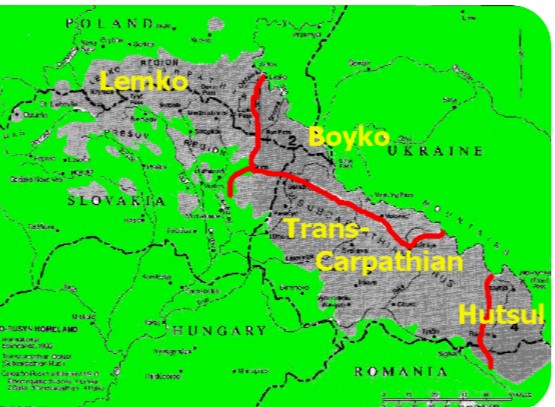 Map of ethnic Carpathian highlanders. Source: Pinterest. Today the region is located almost entirely in the Ukraine, and to a small extent overlaps with the territory of Romania. These areas were part of the Polish-Lithuanian Commonwealth for centuries. After the first partition of Poland in 1772, they became part of the Austrian (later Austro-Hungarian) monarchy. In the years 1918–1939 they were once again part of the Polish-Lithuanian Commonwealth. Axentowicz, recognized as an illustrator, graphic artist and a superb portraitist by this time in his career, developed a very keen interest in the life, rituals, and traditions of the distinctive Hucul people. He began garnering attention for his paintings of the Hucul’s while still in Paris. In 1895, he settled in Kraków. Based on his sketches from the region, Axentowicz, continued to return to the subject of the Hucul’s throughout his career. The folk costumes and religious rituals became a recurring theme in Axentowicz’s work, among them, appropriate today, the feast of Candlemas, also known as the feast of Purification of the Blessed Virgin Mary, celebrated on February 2. 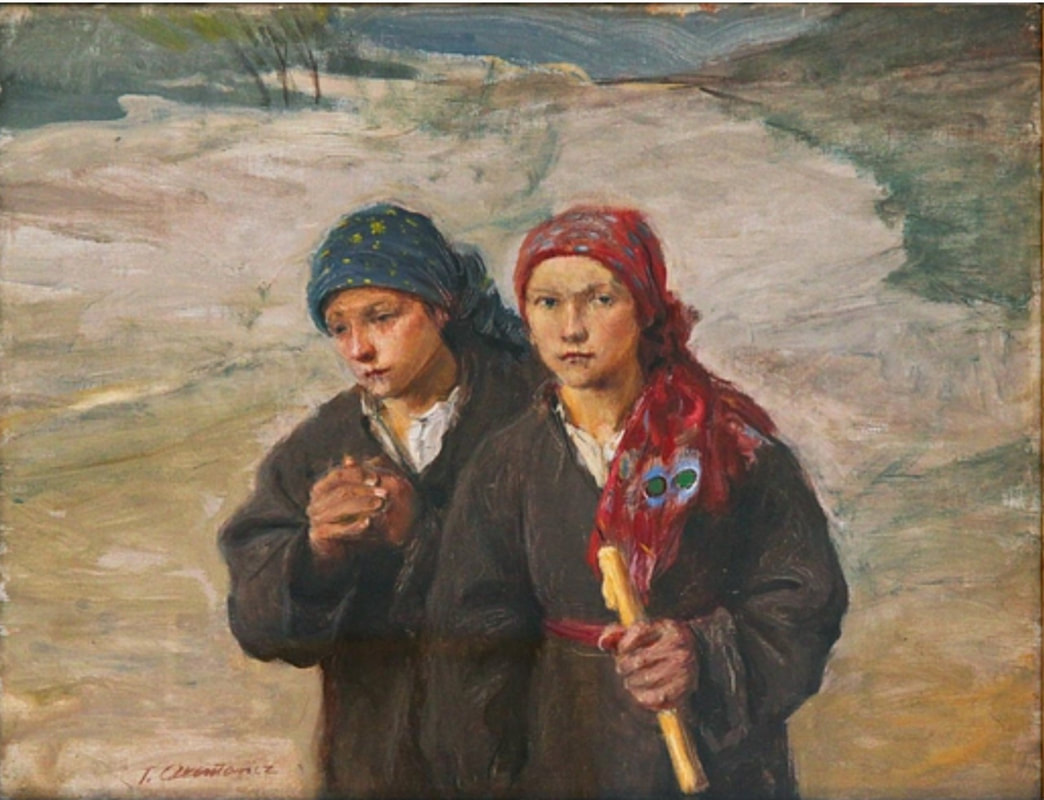 Teodor Axentowicz. Gromnicza. (Blessed Thunder candle). Oil on canvas. c.1900 Museum of Archdiocese of Katowice In the Polish folk tradition, the feast of Candlemas was also called Matka Boska Gromniczną, or Gromniczną, both referrring to Mother of God Thunder Candle. The name derives from the candle that was brought to church on this day, solemnly lit and kept for a lifetime as a means of protection. It was believed that this candle protected against storms and thunder, hence the name "gromnica," from the word “grom” meaning thunder. A storm with lightning and thunder was a great threat to thatched huts without lightning rods. One strike of lightning could destroy the achievements of a lifetime so it was with a feeling of helplessness that a family watched the luminous zigzags of lightning against a dark sky. In that helplessness, a candle, blessed on a feast devoted to the Blessed Mother, was reached for and put it lit at the window in the hope of safety and protection. It is a custom that can be dated back to the 9th century. 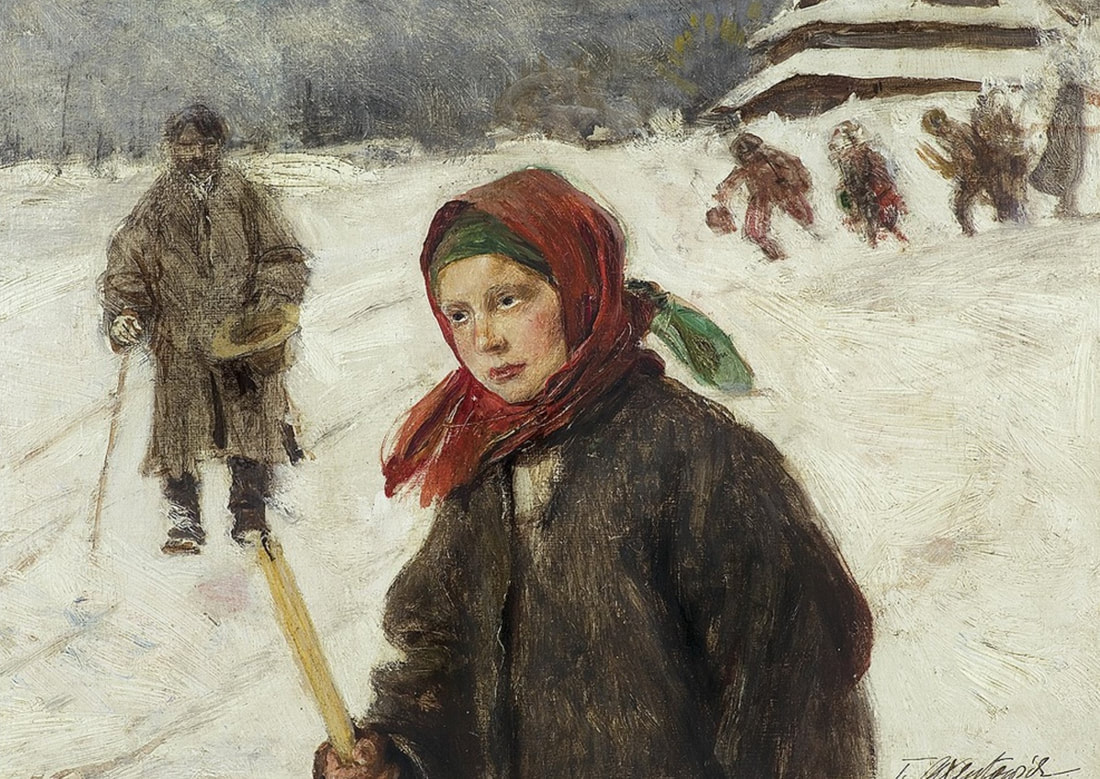 Teodor Axentowicz. Na Gromnicą . Muzeum Narodowe w Krakowie. 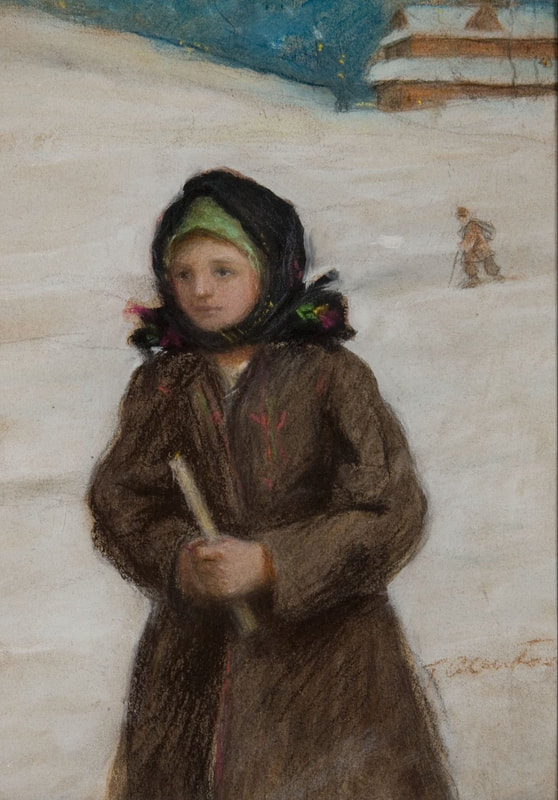 Teodor Axentowicz Dziewczyna z Gromnicą. (Girl with Thunder Candle). Date unknown. Muzeum Sztuki w Łodzi 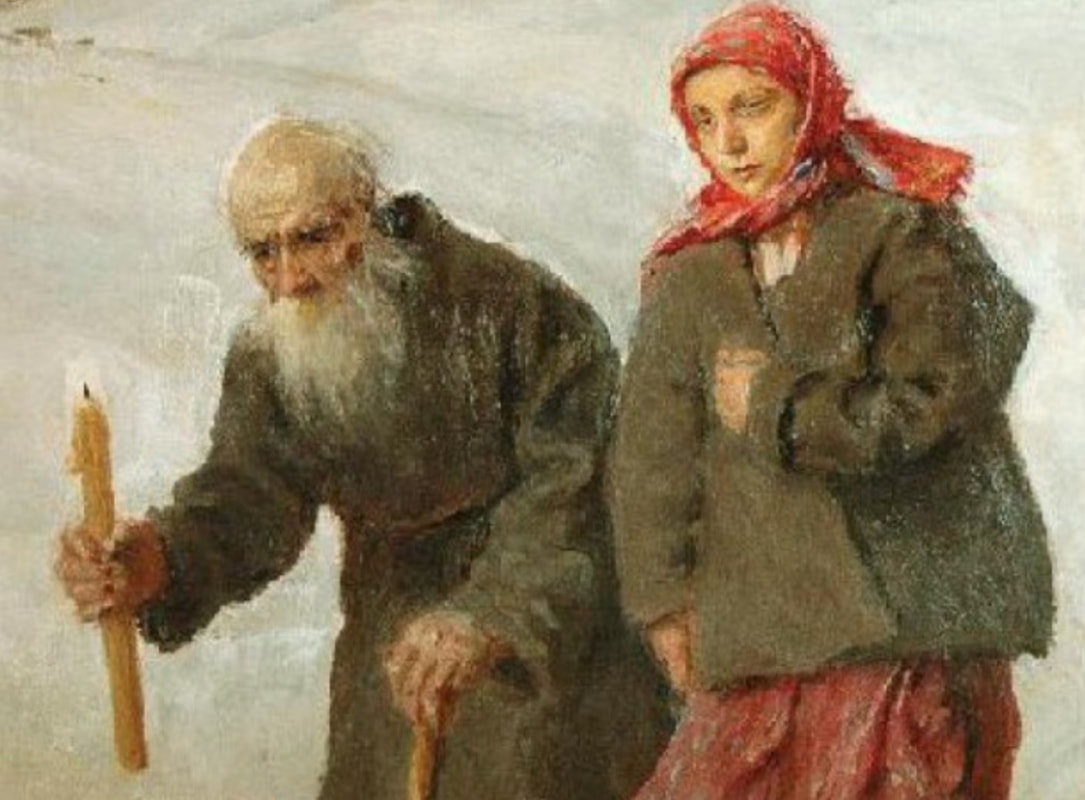 Teodor Axentowicz. Na Gromniczną. On Candlemas. Date unkown. In the paintings, we see children and adults carrying candles to be blessed through a wintery landscape. Axentowicz seems to have more young girls carrying the candles than other individuals. According to custom anyone can carry the candle to the church for blessing, regardless of gender and age, but in practice it was mostly done by girls and women. 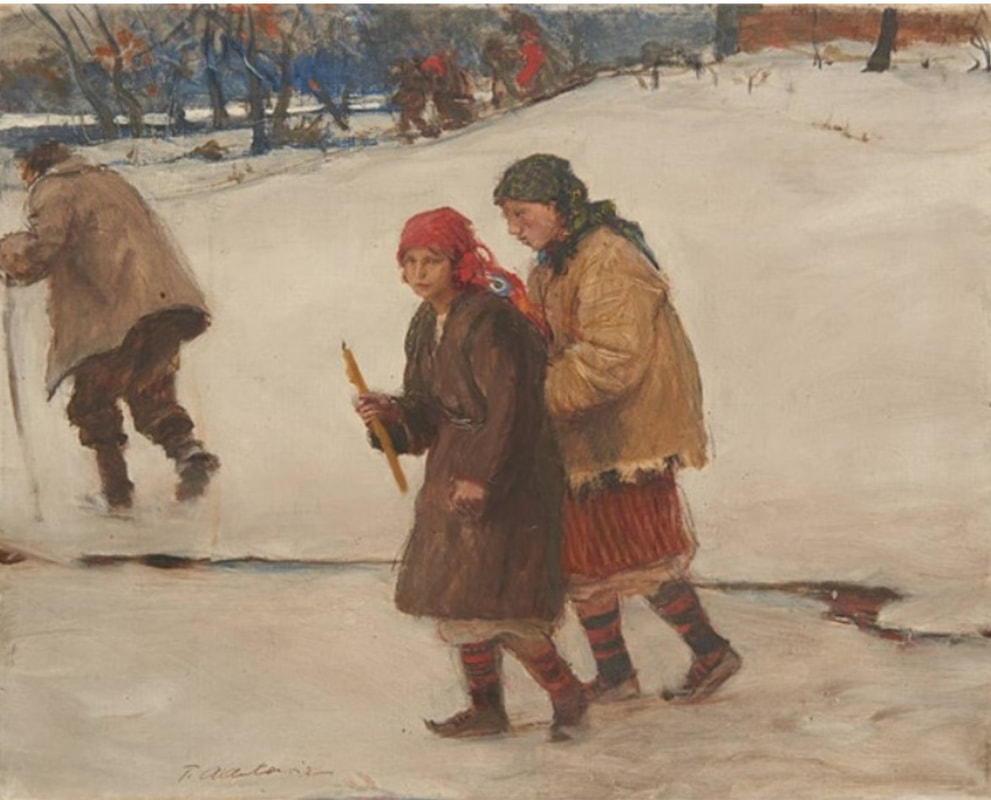 Teodor Axentowicz. Na Gromniczną. Powrót z cerkwi na Huculszczyźnie.( On Candlemas. Return from the Orthodox church in Hucul region). C.1910
The Hucul region lay within Poland’s borders from the time of Kazimierz the Great( reigned 1333 to 1370) to World War II except for the time of the Partitions. The people were typically of the Greek Catholic and Eastern Orthodox faith, both of which would celebrate Candlemas but at different times on the calendar. These paintings are only a few among many of the painting completed by Axentowicz of the custom of bringing a candle to be blessed on the feasts of Candlemas. It is said that it was he who “discovered” and subsequently, uncovered, the Hucul’s to the world through his paintings. http://www.wiki.ormianie.pl/index.php/Teodor_Axentowicz
4 Comments
With the Purification of the Blessed Virgin Mary on February 2nd, also known as Candlemas, the Christmas period in Poland was officially over. Instead of young boys caroling along country roads, the snowy roads began to fill with the sound of jangling of bells from horse-drawn sleighs taking the rich and famous to house parties, fancy dress balls and winter weddings. 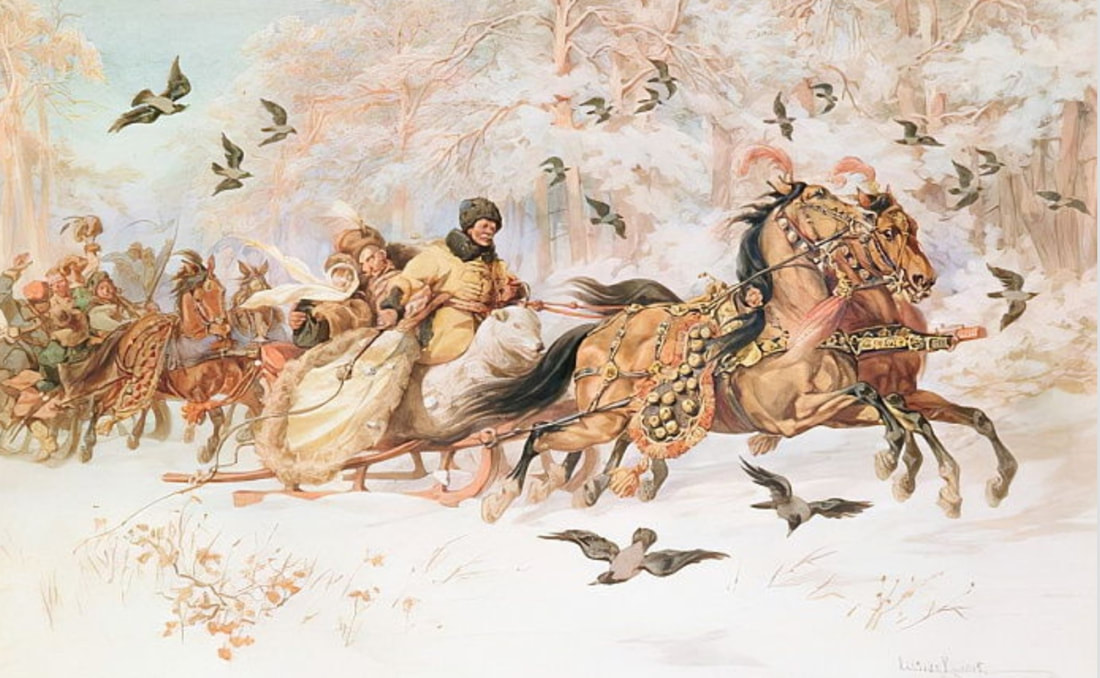 Kulig. Juliusz Kossak c.1887 These kuligs, the famous sleigh rides made famous by the Polish aristocracy, rose in popularity in the 16th century and were a large part of Zapusty, or carnival time, that period of overindulgence and fun before the strict fast of Lent. Looking back to a few centuries before the 1600’s, however, this carnival time began soon after the Feast of Three Kings and was much shorter in length. Completely forgotten now among the older customs and traditions of Poland was a period called przedpoście, or pre-fast, and it was essentially a period of preparing for Lent with another period of fasting and abstinence. This prequel to the forty days of Lent took shape in the times of Pope St. Gregory the Great (590-604 AD) when the church instituted a three-week period of additional fasting as a way of reminding the faithful of the very serious, and quickly approaching period of Lent, and that they should prepare through increased prayer, fasting, and acts of penance. The last day of feasting and revelry was called Niedziela Zapustna, or Niedziela Starozapustna, meaning the last Sunday of carnival time. In church liturgy it is known as Septuagesima Sunday, the third Sunday before the beginning of Lent. If we look at the calendar that would be today, January 31. We know this pre-Lenten period was taken very seriously during the reign of Boleslaw the Brave (992-1025) so much so that if someone was caught eating meat on a fast day, their teeth were in danger of being knocked out as punishment! This period of fasting was still in effect in the 14th century at the court of Queen Jadwiga Jagiełło (reigned 1384-1399) and King Jagiełło through the extant records of the Keeper of the Treasury from the years 1388-1417. In the year 1394, he dates and documents the following events: On February 2, the day of the Purification, for the queen’s supper: 30 partridges, 4 geese and 3 rabbits. February 3, Małdrzyk, official servant of the Queen, was sent to Moravia with letters and was given small money for expenses…… March 2, Niedziela Zapustna, the last Sunday of carnival, the queen and king ate with Spytek of Melstzyna, the administrator of the city of Kraków, along with two Mazowian princes and a variety of other princes: 20 pigs, 40 cheeses for placki and pirogów (Author note: that is the spelling used in the accounts and it should also be noted that close to 200 members of the court and visiting guests often sat down to eat for dinner) March 3, Fresh fish for the queen, as she did not eat meat, and 30 herrings. A week later, the keeper of the treasury mentions “Week 2 of the fast.” And subsequently on March 15, “Week 3 of the fast.” 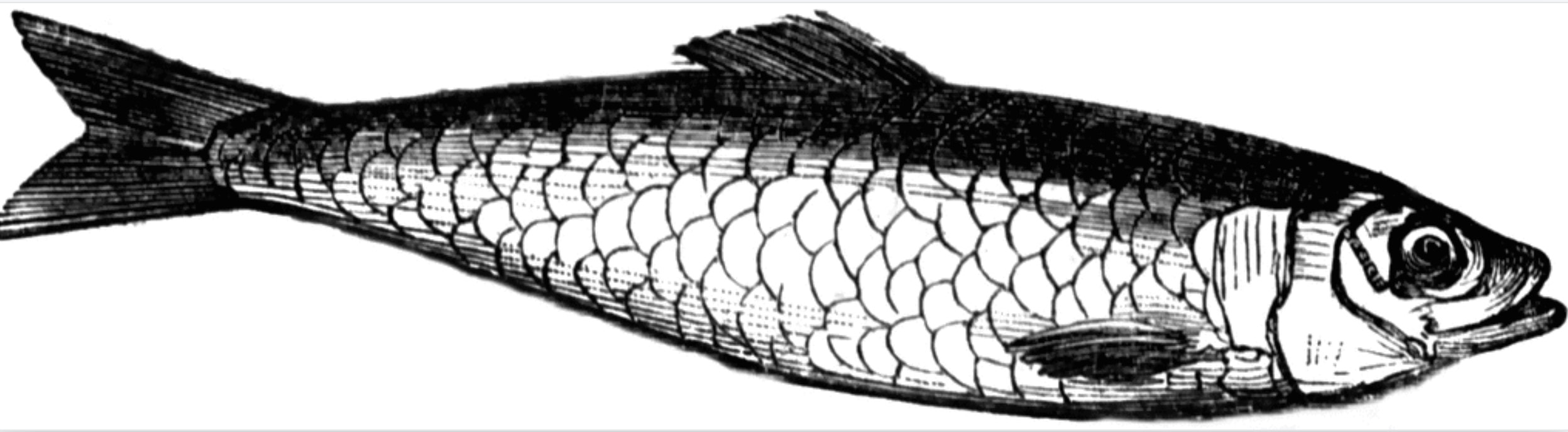 Herring was a fish affordable for king and peasant alike and one of the main staples of Lent.
The origin of the pre-fast is not exactly known but assumed to have come from the need to precisely calculate the forty days of Lent by excluding the Sundays and Saturdays which at the time were free from fasting. As a result, the beginning of Lent shifted forward on the calendar. With reforms in the church liturgical calendar in later centuries, the pre-fast period was removed and a greater emphasis placed on Lent itself. With that change, the aristocracy of the 16th century could enjoy their kulig’s a bit longer through the winter months. Source: Życie domowe Jadwigi i Jagiełły z regestrów skarbowych z lat 1388-1417(Home life of Jadwiga and Jagiełło from the treasurer’s registers from 1388-1420). Aleksander Przeździecki. 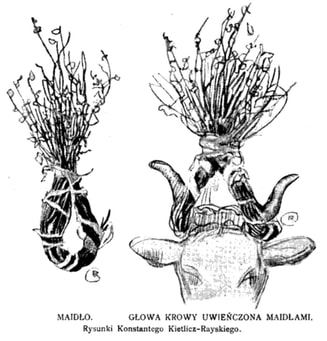 Pentecost is the Christian festival celebrating the descent of the Holy Spirit on the disciples of Jesus. It occurs in May or early June since it is, like Easter, a mobile holy day on the church calendar. The official church name in Polish is Zesłania Ducha Swiętego, the Descent of the Holy Ghost. There were many aspects to the celebration of Pentecost in Poland's agricultural past that date to ancient pre-Christian times and the pagan cult of trees, water and fire. . The illustration above from 1901 is called a maidło (most likely from the Polish word majenia, that is, to decorate with greenery) that was made by weaving together small, newly budding birch branches around the horns of the cows and tying it together at the top. The newly budded branches, symbolized the revival of life, fertility and the promise of a harvest. It was believed that the green branches also protected from spells, plagues and all evil and accounts for their widespread use in the festivities that centered around the home, barnyard, and fences. The branches of the birch tree also had the power to protect against witchcraft and the evil eye. Shepherds, wanting to include animals in the holiday (and thereby protecting them as well) decorated their cows as part of the celebration. 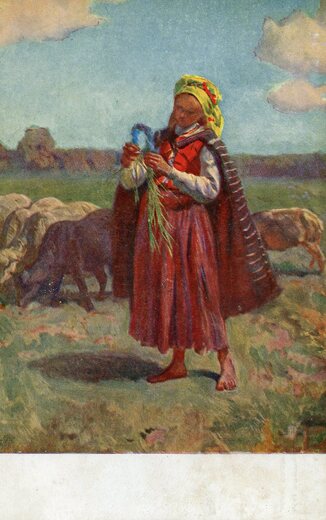 Depicting this particular custom of making a wreath for the heads of her flock is the painting by Polish artist Józef Chełmonski (1849-1914) and titled Pasterka (Shepherdess). 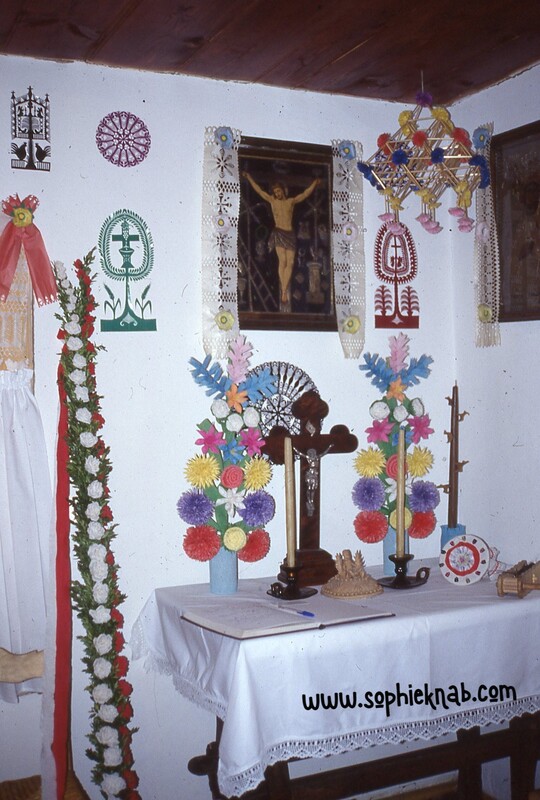 Holy Week in Poland has always been a busy time of refreshing the interior of the house in preparation for Resurrection Sunday. The walls of country cottages were freshly whitewashed, windows cleaned and simple paper curtains hung. One of the items that received special attention during this time was the home altar. At one time, home altars could be seen in almost every cottage in Poland. In its earliest form it was a small shelf hung in the corner of the room, on the east side of the house between two windows. Below it was a table. It was considered the holy corner, the swięty kąt. It was here that a crucifix was placed as were holy images of the Blessed Virgin Maty and patron saints. The table below it was covered with a white tablecloth and, according to Polish ethnographers, where the woman of the house kept a loaf of bread wrapped in a linen cloth. Bread and salt were kept here. For Christmas, a bowl of kutia, a dish of honey and wheat berries, was placed here. It was also under this shelf, in this corner, that a sheaf of wheat or rye was placed on Christmas Eve and kept until the Feast of Three Kings. It was here that priests and special guests were seated when they visited . Over time, the corner shelf began to disappear. The holy pictures were still hung in the corner but the table became the repository of the crucifix, Blessed Virgin Mary, or special souvenirs brought back from pilgrimages. As a rule, the rosary was hung on the cross, in such a way that it entwined the upper arm of the cross, while the cross from the rosary hung freely in front of the standing cross. A pair of candles flanked the cross or sometimes just one. In spring and summer, bouquets of fresh flowers were placed on either side of the cross. In the winter when they were unavailable, bouquets of flowers were made from the small feathers of domestic poultry. In the first decades of the 20th century, crepe paper came to the villages through traveling traders and small-town shopkeepers. Polish housewives began using the colorful paper to make flowers to decorate the home altar. It was this work, among all the others, that kept the housewives and their daughters so busy in the days leading up to Holy Week. They dusted holy pictures, washed and starched the tablecloth and made crepe paper flowers so that during Holy week all would be in readiness. Not everyone was able to afford such an altar, so neighbors came together with those who could, to pray and praise God together. Photo by Sophie Hodorowicz Knab in the Kurpie region of Poland 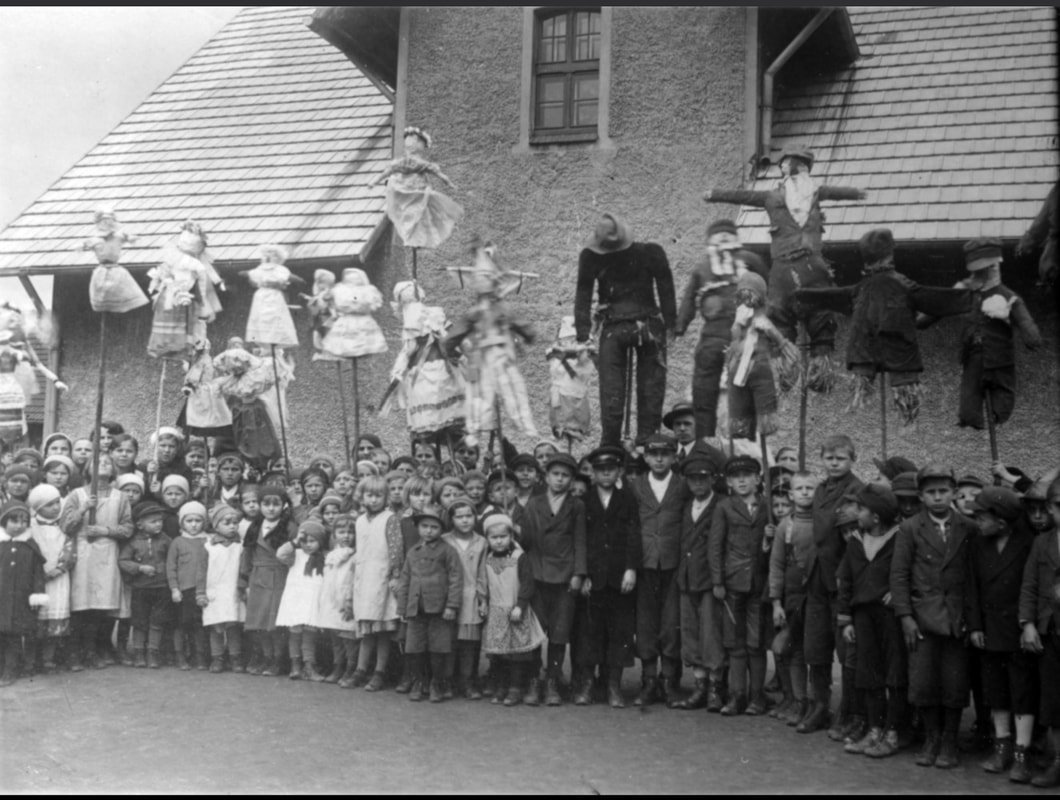 The drowning of Marzanna is one of the few Old Slavonic rites that is still cultivated in various regions of Poland today. According to folklore Marzanna is a Slavic goddess who symbolized death. A remnant of pagan times, it is still a custom celebrated by Polish children to take joy in the upcoming springtime, the beginning of the rebirth of the earth after the lifelessness of winter. In this ancient custom winter is drowned or burnt and there is rejoicing in new life as shrubs and trees begin to green and flower. The symbolic getting rid of winter generally takes place on the first calendar day of spring, March 21(this year March 19). The oldest writings about Marzanna in Poland comes in the 15th century when Jan Długosz wrote: “In some Polish villages on the 4th Sunday (Laetare) in Lent, the people place an effigy of Marzanna on long poles and then throw it into the nearest bog.” This year it falls on March 22. Marzanna is celebrated by making a straw effigy or doll made from sheaves of grain or straw, rags or material in the shape of an old woman. Most often, the doll or effigy is of a size that can be mounted on a stick, which makes it easier to hold up in the air by small hands. Most often, schoolchildren and supervising adults participate in the ritual by making the effigy together and on the appropriate day, sometimes accompanied by the entire village, is taken to a local stream, river or lake and drowned. In other parts of Poland, she is burnt. Very often everyone returned to the village with a green branch as a symbol of spring.(Photo: Narodowe Archiwum Cyfrowe) 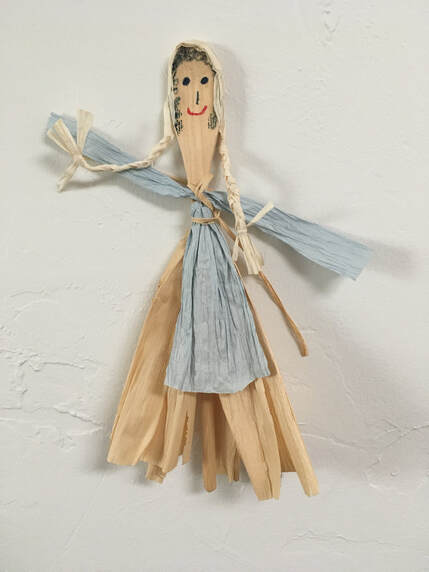 This is a photo of a simple type of Marzanna I did with a group of schoolchildren and their parents a few years ago. The structure for the effigy was a wooden spoon, the arms and clothes made with corn husks but almost anything that can readily be glued can be used. The children clamored to draw the face they wanted on the front of the spoon with crayons or colored markers. The parents assisted and encouraged where needed. As we worked together, we talked about what we liked and didn’t like about winter and how did we know the weather was changing and what we liked best about spring. What was their favorite flower? We looked at pictures of snowdrops beginning to bloom under the snow and bears coming out of hibernation. I was able to share some Polish folklore and tradition. The children got to choose colors and glue together their own particular Marzanna (so creative!) and took her home as a sign that winter was over and spring was here.
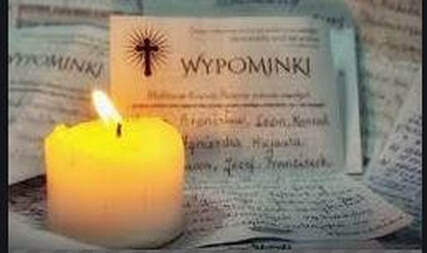 Ceremonies honoring the dead occur among people all over the world, regardless of place, worldview and religion. In the Catholic faith, it is on All Souls' Day(November 2) that cemeteries fill up with relatives and friends of the dead, often coming from far away, bringing flowers, lighting candles, and staying for a moment to be with those who are no longer among the living. Many individuals recognize it as the Day of the Dead. In the Polish language, it's called Zaduszki, All Souls' Day. In the doctrine of the Catholic Church, All Souls' Day is an expression of the conviction of the communion of saints, the resurrection of bodies, eternal life and the effectiveness of intercessory prayer. All Souls' Day is derived from the practices of early medieval monks when services were held annually in various monasteries for their deceased brethren. In Poland, the oldest source confirming an All Souls' Day celebration is in the 12th century with the Cistercian monastery in Ląd in Wielkopolska(Greater Poland). In 1311, by decision of the Holy See, All Souls' Day was introduced to the church calendar and the Roman liturgy and gradually spread throughout the Catholic Church. By then, All Souls' Day was being celebrated by many more religious congregations, including Dominicans, Norbertine and Poor Clares, also among secular clergy in Kraków, Poznań and Gniezno. One particular aspect of All Souls' Day was that of prayer intentions. The prayer intentions were something that had its beginnings in the Eucharistic liturgy of the very ancient church where the names of deceased bishops, kings, church founders, and later, the names of saints, were written down and read out loud by the clergy. The time and frequency of the reading the names changed around over the centuries based on the Vatican councils(before the Mass, during Eucharistic liturgy during the Mass, etc.) but during these remembrances of the faithful, the names of the deceased were read out loud and the public participating in the Mass was invited to join in praying for the deceased with the words "Dobry Jezu, a nasz Panie, daj im wieczne spoczywanie.” "Good Jesus and our Lord, grant them eternal rest." In some abbeys, prayer intentions were started for all deceased Christians, not just deceased religious individuals. The tradition remains to this day. In Poland, this calling out of names of the deceased and asking for their eternal rest on All Souls' Day is called wypominki from the word wypominać, that is, to keep reminding. In this case, that the dear departed have not been forgotten. It is an intercessory prayer, an act of praying in behalf of souls who may be in Purgatory, awaiting entrance into heaven. At the same time, it is also an act of remembrance The oldest existing text written in the Polish language calling to pray for the dead, comes from a fragment of a sermon from the 15th century: "Do not forget the dead, all today remember the souls of your father, mother and your friends. I kindly ask your prayers for those souls whose bodies lie in this house, that is in the church, and also in the cemetery. I am asking you for one Hail Mary for their souls, whose bodies were lost in battle, at sea. I am asking you for one Hail Mary for the empty souls who are in purgatory, who have no help but look at us and call out: have mercy, have mercy on us." Today, just as in yesteryear, throughout Poland and in Polish American churches, family and friends still submit the names of their dearly departed to the clergy for their name to be called out loud in church, in remembrance, in intersession. To hear the names of loved ones called out in the quiet stillness of the church, to hear everyone present raise their voices to pray for them is a true moment of spiritual and emotional communion between us, the living, and the dead. In that hallowed space, as their name is called, we are with those who are no longer with us... but are not forgotten. Google image. 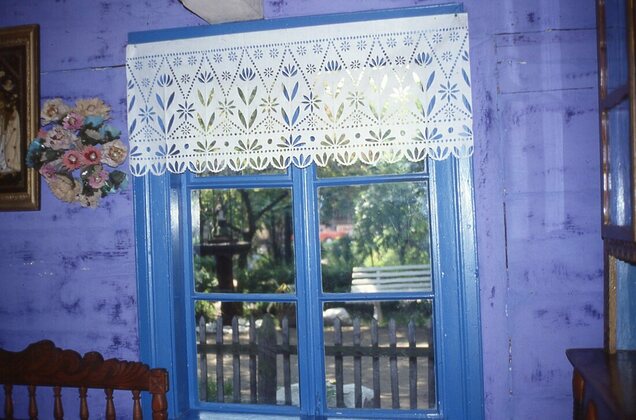 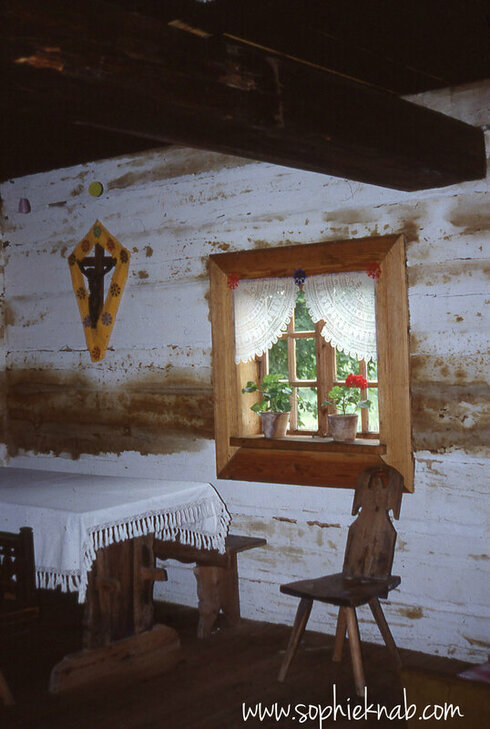 In the early years, a Polish country cottage could not boast of having a such a luxury as a window. This was something available to castles and palaces already in the 14th century in Poland but humble cottages had to wait until the 18th century, before glass and a window became the "eye" of the house to the street. The window was mostly located at the front of the house, on the gable end, facing the street and the earliest form of window decorations were the decorative exterior shutters on either side of the window. They were either carved in some interesting manner or painted. The next major form of decorating the windows in the peasant's cottage were clay pots blooming with flowers, predominantly, geraniums. I haven't been able to locate a documented source of what one particular event led to the making of lacey, white tissue paper valances that became the norm for most humble Polish cottage windows. Perhaps it was the sight of true Venetian lace by a servant that gave such servant the inspiration to copy it on something cheap and available such as white tissue paper. Some Polish folk art historians indicate that the paper curtains were another form of wycinanki, the folk art of cutting on paper. It is documented, however, by Polish folk historian Jan Dekowski, that tissue paper valances appeared in the village of Jasień, near Rawa Mazowiecki around 1910 and lasted right up until 1958. The rectangular valances were made from white tissue paper with the use of sheep shears to cut notches and circles to create a lacy effect. In this region the valance was made of two or three parts, depending on the available paper. Each part was made separately and then joined together using glue or thread. In other areas, such as Kurpie and Łowicz regions, the tissue paper was folded accordion style to fit the width of the window and then cut to achieve the desired effect. The curtains were hung on a string, a painted strip of thin wood or a rough rod whittled from a tree branch. There were also curtains just for the upper corners made from tissue paper folded into triangles. This look was something like two open fans in the top corners of the window. In the Podlasie region, rectangular paper cutout curtains also became popular after the first World War. They decorated not only windows, but also shelves on sideboards and the frames of holy paintings.(see March 2019 blog)) In addition to sheep shears, knives were used to make them. Skillful hands could cut them into complex plant-geometric or animal shapes. Another technique was to use a chisel with different blade shapes. Paper curtains were eventually replaced by curtains made of thread. The first curtains made of thread were made from flax, spun into a linen thread. These resembled something close to fishing nets. The even-spaced woven net was then stretched onto a frame of some kind and a design such as roses or branches with leaves were filled in using a single needle. You can see this interesting technique here These types of curtains made of thread became widespread in the Polish countryside in the 1930s and were popular primarily in Greater Poland, Mazowsze and Silesia, where to this day stories still circulate about the time-consuming starching and stretching of curtains made of linen thread. A special frame with dozens of nails nailed to wooden slats served for their stretching. Thanks to this treatment, the fabric, which would shrink and change shape during washing, was returned to its original form. ( I so remember my mother using these curtain stretchers when I was growing up here in the United States. Each spring, in preparation for Easter, my mother would take down the heavy winter drapes and replace them with white lace, cotton curtains, heavily starched and stretched out on the stretchers. They took up the whole front room). These type of thread curtains disappeared when nylon was discovered and began to be used to make curtains which became readily available in local shops. Everything changes but we can still admire the lengths our ancestors (and our mothers and grandmothers) went to beautify their homes with the means available at the time. When I travel through Poland, especially the small towns and villages, I don't see paper curtains in the windows except for the cottages in the skansens, the restored villages that depict life in previous centuries. What I do notice is that house after house, today's Polish housewives still prefer to hang white, lacey curtains in their windows. Photos by Sophie Hodorowicz Knab Bibliography Dekowski, Jan. Wnętrze Chaty Jasieńskie.j Pracy i Materialy Muzeum Archeologicznego i Etnograficznego #2 1958 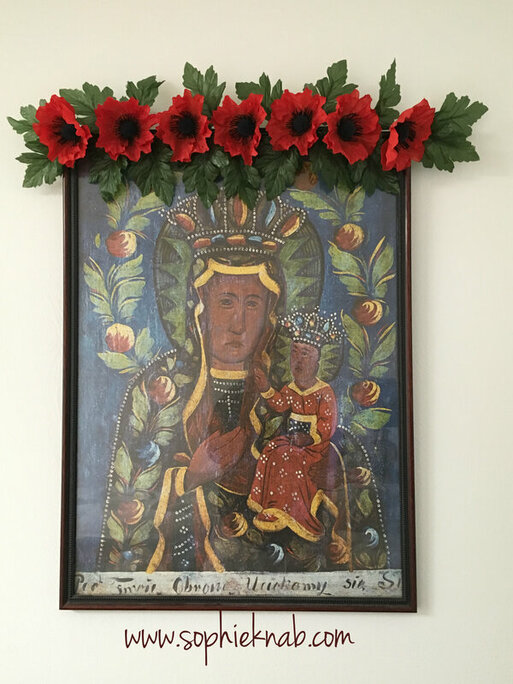 It's interesting to read how spring cleaning, now pretty much considered an antiquated ritual, was at one time an important aspect of life in Poland as part of the preparation for Easter. The impending arrival of spring and Easter Sunday, both rich with the meaning of rebirth and renewal, also meant that it was time to refresh and renew the interior of their cottages. The walls, darkened with soot and smoke from wood fires and kerosene lamps, were whitewashed, windows were cleaned and holy pictures redecorated, the latter chiefly done by the women of the house. Pictures on walls, specifically, holy pictures, in a Polish country cottage became more commonplace towards the end of the 19th century. By the time of World War I, a country cottage could boast a least a few holy pictures and many more than that, depending on finances. They were bought on pilgrimage or church feast days or from itinerant peddlers who made the rounds of villages. The pictures were hung near the ceiling in a row on the wall opposite the entryway. 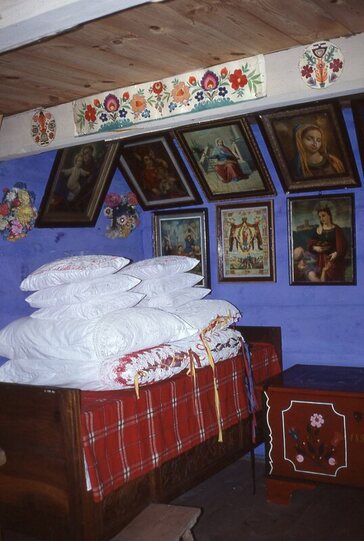 They were secured to the wall with the help of a piece of wood that ran along the length wall at ceiling level that would cause the top of the picture to tilt forward into the room. If that wall ran out of room to accommodate all the pictures, the remainder were hung on the nearby wall with a window. By the late 1930's, there was an increased tendency to place the holy pictures not so much in a row but in a more radom fashion. If, for instance, a family owned two large pictures, one was hung above the headboard of the bed(usually located in a corner against the wall) with the other one on the next wall at the same height. Smaller holy pictures were placed at the sides of both pictures..(Sierpc photo) 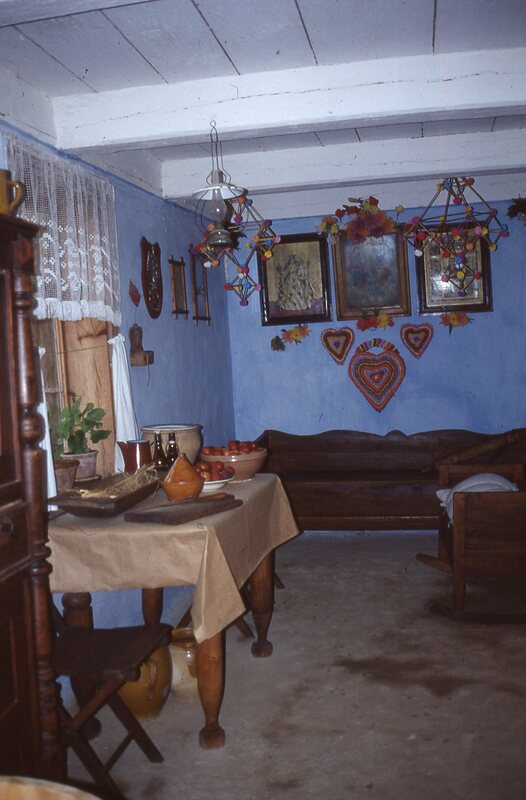 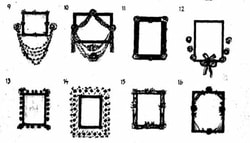 Some images were decorated with chains made from a combination of crepe paper and straw or ribbons and used as garlands below the picture, attached three quarters or halfway down the frame and fastened to the side of the frame with flowers or to the wall. For the people living at the juncture of the Wisła and San rivers, known as Lasowiacy, the larger and most cherished religious pictures during high holy days were decorated in a variety of ways. Interestingly enough, in this region spruce and fir branches were used chiefly for Easter and less so during the Christmas season. The branches were tucked behind the holy pictures, nailed around them or between them. The holy pictures were also decorated with artificial flowers, and not just in this small region of Poland, but throughout all of southern Poland. Folk art historians claim that artificial flowers made an appearance in country cottages right around the same time as wycinanki, colorful paper cut outs, due to the arrival of glossy colored paper in the 1850's. The flowers were made from a combination of stiff paper as well as crepe paper, a commodity readily available by the 18th and 19th century. The flowers themselves were made from the softer, more malleable crepe paper, and attached to thin branches covered with green crepe paper. The stiff paper was used to made into green leaves. The most frequent types of flowers made by the Lasowiacy were roses, chrysanthemums and the tiny, daisy-like flowers of chamomile. Other regions made poppies, daisies, bluebottle, forget-me-nots and cornflower (bachelor's button). The flowers were then attached to the frames in a variety of ways, either around or under the pictures. Some images were decorated with chains made from a combination of crepe paper and straw or ribbons and used as garlands below the picture, attached three quarters or halfway down the frame and fastened to the side of the frame with flowers or to the wall. The following photos depict the variety of ways the Lasowiacy decorated their holy pictures. 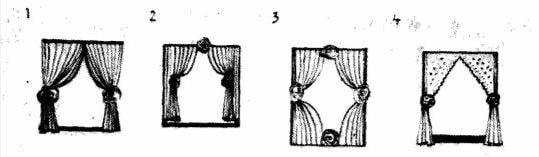 . As can be seen by the illustration to the left curtains made from tissue paper in white, rose, yellow or light blue colors were made to decorate the holy pictures. The paper curtain was glued to the top and half way along the length of the picture a thin ribbon was used to pull back the paper curtain as one would on a window curtain and paper flowers added.
In remote villages, colorful paper and tissue flowers were used by the women folk of Poland for a long time to beautify their home at Easter. When artificial flowers, both silk and plastic, readily became available in the marketplace, they began to replace the labor intensive method of making their own. The age-old art form was almost lost but if You Tube is any indication, it seems to be making a revival in Poland. I've always loved red poppies as a flower and used silk ones to decorate my image of Our Lady of Częstochowa found at the top of the blog . Photos by Sophie Hodorowicz Knab at skansens in Łowicz and Sierpc in Poland. Next blog: Decorating Interior of Polish County Cottage Part 2 Paper curtains Bibliography: Aleksander Jackowski, Polska Sztuka Ludowa. Warsawa 2002. Zdobnictwo Wnętrz Wiejskich na Terenie Wideł Wisły i Dolnego Sanu. Polska Sztuka Ludowa. 1973 XXVII nr.3 (illustrations) 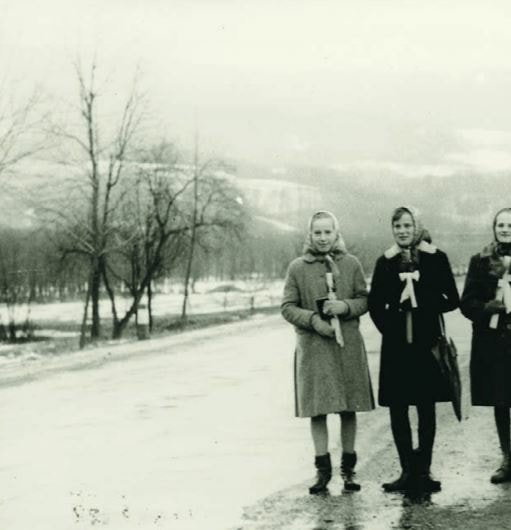 I have loved reading diaries since I was in elementary school. I still read children's diaries, teen and adult ones and I especially enjoy diaries kept by Polish women. The book "Marianna i Róże" (Marianna and Roses) was written by a female descendant of Marianna Malinowska Jasiecka. It is based on a compilation of family documents, historical facts and the contents of a diary kept by Marianna Malinowska Jasiecka that was found in an old chest. The diary begins in April of 1892 at a time when Poland was partitioned by Prussia, Russia and Austria and Poland as a country ceased to exist on the maps of Europe. Marianna was considered gentry, married to a man with a significant amount of property, had servants and enough free time to keep a diary. She lived in a manor house in Polwica in Wielkopolska(Greater Poland). Her entries are filled with her day-to-day life as wife and mother, her family history and genealogy, what life was like under Prussian rule but also includes the yearly customs and traditions of the times. Here is an excerpt for Candlemas, celebrated on February 2. Polwica, February 1895 In the morning we went to our parish church in Śniecisk. Everyone had a large blessed candle called a gromnica, decorated with a white ribbon and a sprig of myrtle (author note:myrtus communis). The "gromnica" or blessed candle is lit when expecting the priest to come "na kolęda"( author note:Christmas visit by the parish priest) or to visit the sick as well as during a storm and definitely when someone was dying or next to the already deceased individual. There still exists among the village people a superstition that if someone manages to bring their lit candle from church to their home, then no one from that family will die that year. As a result everyone tries to get home with their candle still lit. Depending on the weather, it's not always easy. It's amusing how people walking along the road are protecting the faint glimmers of light with their scarves or coat so it doesn't go out. The candles are kept near holy pictures or, as is with us, in special candleholders. The candle is lit during storms to distance away the thunder and placed in the hands of the dying so that they can have an easy death and can more easily find the gates of heaven by the light of the blessed candle. That is why the holy day is cherished and solemnly observed. My next blog will share another entry from Marianna's diary depicting the stripping of feathers for making pillows and a pierzyna (down quilt). Google photo/ Young Polish girls with their gromnica (thunder candle) Date unknown. 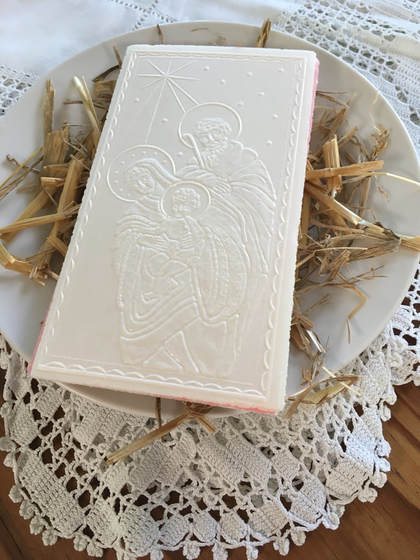 The sharing of the oplatek on Christmas Eve is the most cherished of all Polish Christmas customs. On the eve of Christ's birth, gathered together at the table where they are about to share the evening meal, the people of Poland and their descendants scattered all over the world, first offer each other a thin piece of unleavened bread called opłatek and give each other the gift of spoken words. The custom predates Christmas trees and the presents found beneath it by centuries. Instead, bread is shared and the words said are a gift in verbal form. And because the words said to one another at the time of sharing the oplatek are a gift, just as we would spend time searching the store for that perfect thing, so should we try to say the best possible words for that person: words of encouragement or praise about their current life or about their future goals or intentions; words of love and caring; words of reconciliation and forgiveness; words that the person can tuck in their hearts and keep there for a long time afterward. All it requires to bestow this gift is to give some careful thought to what we say. At some social gatherings, it's happened that we find ourselves exchanging the opłatek with someone we don't know very well or not at all, but it is still an opportunity to gift another person with our words. In the spirit of sharing opłatek I'd like to offer my word gift: May you prosper in all ways: spiritually, intellectually, creatively, materially; may whatever quest you are engaged in meet with success: may you and yours remain or return to good health: Niech czas Bożego Narodzenia upłynie w atmosfersze radośći i miłosci, a Nowy Rok spełni wszystkie marzenie May the Christmas season pass in an atmosphere of happiness and love and the New Year fulfill all your dreams. Wesołych Świąt Bożego Narodzenia i szczęsliwego Nowego Roku. Merry Christmas and a Happy New Year. |
Categories
All
One of the biggest moments in my life was being able to sign for my very own library card. When I'm not reading, researching and writing I'm riding my bike, sewing or gardening. I love flea markets, folk art, and traveling to Poland.
Archives
April 2024
|
 RSS Feed